
Affiliate Disclosure: This post may contain affiliate links. I only recommend products I genuinely use, love, or would personally recommend to a friend.
Sleep sacks for babies were one of those things I didn’t fully understand… until I actually needed them.
And then they quickly became one of my favorite sleep essentials.
Because once your baby starts rolling (or even trying to), swaddling is no longer safe — and you need something else that still helps them feel cozy and secure.
For us, that was sleep sacks.
What Are the Best Sleep Sacks for Babies?
The best sleep sacks for babies are soft, breathable, properly sized, and appropriate for your room temperature. After we stopped swaddling, I reached for the KeaBabies Sleep Sack most often because it was lightweight, comfortable, and easy to use, while the Burt’s Bees Baby Quilted Sleep Sack became my favorite during colder months.
If you’re figuring out your baby’s sleep setup, I shared everything that actually helped us here: Newborn Sleep Essentials for Better Nights (What Actually Helps)
When to Use Sleep Sacks for Babies (And Why We Switched Early)
Sleep sacks for babies are especially important once your baby starts rolling — usually around 3–4 months, but every baby is different.
That’s when swaddles are no longer considered safe, because babies need their arms free if they roll onto their stomach.
But honestly, I started using a sleep sack way earlier.
My little one didn’t love being swaddled, so I began using sleep sacks around 1–2 months old — and he did so much better with them.
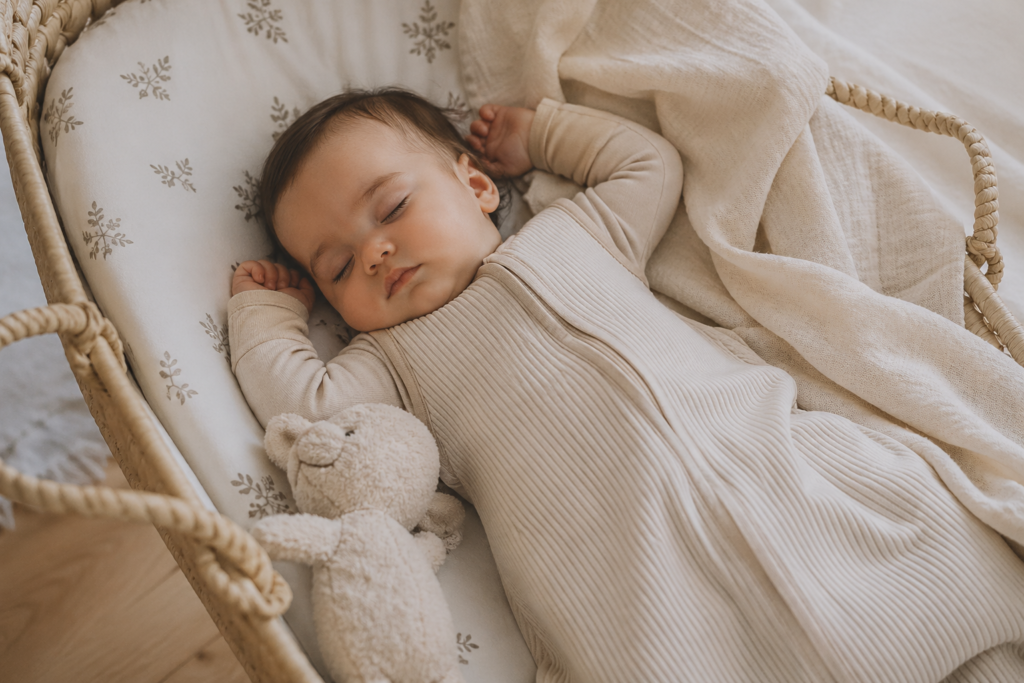
It’s basically like zipping them into a cozy, wearable blanket (kind of like a little sleeping bag), but it’s safe for sleep and lets them move their arms freely.
And mine definitely preferred that.
If you’re looking for the best sleep sacks for babies, here’s what actually worked for us.
What I Learned About Sleep Sacks
Sleep sacks seem simple… but there are actually a few things that matter a lot more than I expected.
TOG (Temperature Rating) Matters More Than You Think
Sleep sacks come in different “TOG” ratings — which basically tells you how warm they are.
- 0.5 TOG → lightweight (warmer rooms / summer)
- 1.0 TOG → moderate
- 2.5–3.0 TOG → warmer (cooler rooms / fall + winter)
I didn’t realize at first how important this was.
You’ll want to think about:
- the temperature of your baby’s room
- what your baby is wearing underneath
Most nights, I had my baby in:
- footie pajamas
- plus a lightweight sleep sack
And then in colder months, I’d switch to:
- warmer pajamas
- plus a thicker sleep sack
Sleep sacks for babies are one of the easiest ways to keep your baby comfortable and sleeping safely without loose blankets.
Fabric Matters (Especially for Sensitive Skin)
I personally try to stick with 100% organic cotton whenever I can for baby products.
It’s softer, breathable, and just feels better on their skin — especially for something they’re sleeping in every night.
Zipper Design Is a Bigger Deal Than It Sounds
This surprised me, but zipper placement actually makes a difference.
What I prefer:
- zipper starts in the middle but goes off to the side
- not straight down the center the whole way
It just seemed to fit better and feel less bulky.
Also — make sure there’s a good zipper cover at the top (sometimes called a zipper guard).
That little piece of fabric keeps the zipper from rubbing on your baby’s neck, which is something you definitely want.
The Sleep Sacks I Actually Used
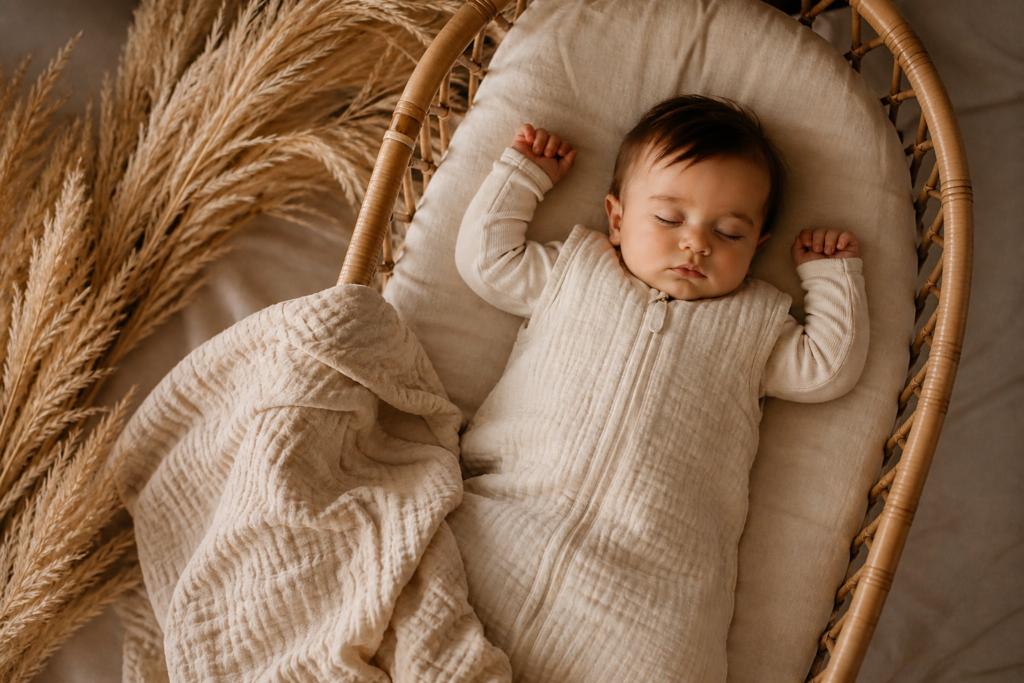
Here are the best sleep sacks for babies that I actually used and loved:
KeaBabies Sleep Sack
This is the one I used the most — and kept sizing up in as my baby grew.
What I liked:
- soft, breathable cotton
- lightweight and great for everyday use
- simple and easy to use
- good fit without feeling too bulky
This was my go-to for warmer temps or just regular nights.
Shop the KeaBabies Sleep Sack I Use
Burt’s Bees Baby Quilted Sleep Sack
This one was perfect for colder months.
What I liked:
- thicker and warmer (great for fall/winter)
- super soft, cozy feel
- still breathable even though it’s warmer
- felt really comfortable for overnight sleep
I’d use this with warmer pajamas when the temperature dropped.
Shop the Burt’s Bees Quilted Sleep Sack
A Quick Safety Note on Sleep Sacks
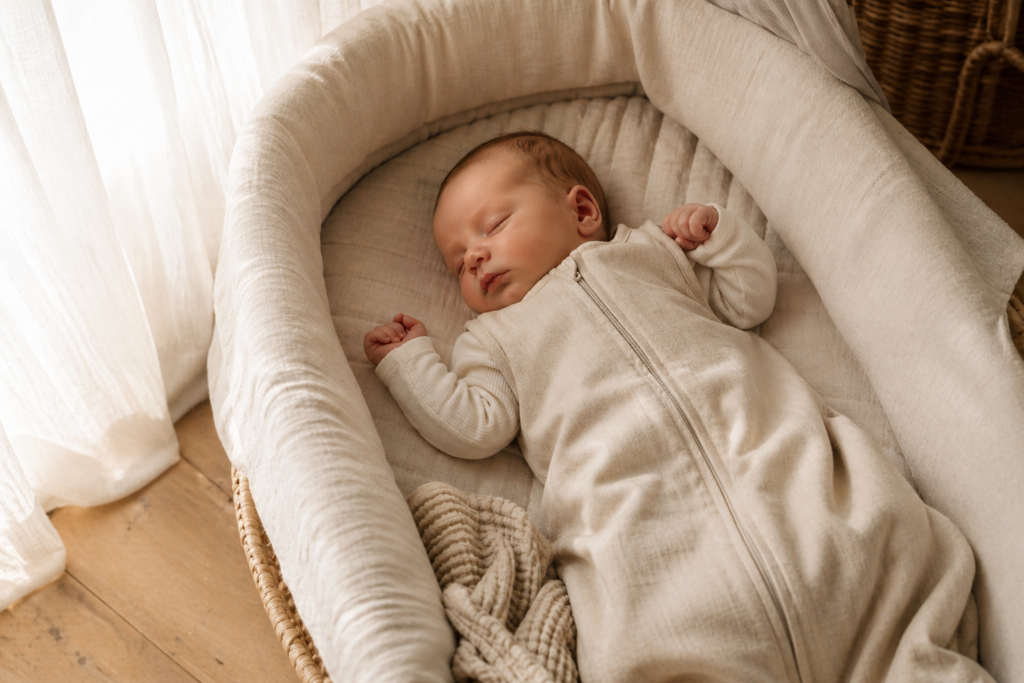
Sleep sacks are considered a safe alternative to loose blankets — but it’s still important to use them correctly.
Make sure:
- your baby’s face and airway are always clear
- the sleep sack fits properly (not too loose around the neck)
- you’re using the right TOG for the room temperature
And always follow safe sleep guidelines:
- baby on their back
- nothing else in the sleep space
What I’d Do Again
If I were starting over, I would:
- start with 1–2 sleep sacks in different weights
- pay attention to room temperature more than I did at first
- not overbuy until I knew what my baby liked
- prioritize soft, breathable fabric
- keep it simple
Are Sleep Sacks Worth It?
For me — absolutely.
They made the transition out of swaddles so much easier.
And honestly, once we found ones my baby liked, they became part of our nightly routine.
They help:
- keep baby warm safely
- signal sleep time
- replace loose blankets
And they’re just… easy.
Final Thoughts on Sleep Sacks for Babies
There’s no one “best” sleep sack — it really depends on your baby and your environment.
Some babies:
- like lighter layers
- others prefer being extra cozy
The best sleep sacks are the ones that:
- fit your baby well
- match your room temperature
- and actually get used every night
Frequently Asked Questions About the Best Sleep Sacks for Babies
Is a sleep sack better than a blanket for babies?
Yes. Sleep sacks are considered a safer alternative to loose blankets because they keep babies warm without adding anything loose to the sleep space. They can also become a comforting part of your baby’s bedtime routine while following safe sleep recommendations.
When should babies stop using swaddles and switch to sleep sacks?
Most babies transition to a sleep sack once they begin showing signs of rolling, often around 3 to 4 months old. Some babies make the switch earlier if they don’t enjoy being swaddled. Always stop swaddling once your baby shows signs of rolling.
How many sleep sacks do I need?
Most families do well with two or three sleep sacks so you always have a clean one available while another is in the wash. Having both a lightweight and a warmer option also makes it easier to adjust for different seasons.
What TOG sleep sack should I buy?
The right TOG depends on your baby’s room temperature. Lightweight sleep sacks around 0.5 TOG work well for warmer rooms, while 1.0 TOG is a good everyday option. Heavier 2.5 TOG sleep sacks are better for cooler rooms and winter months.
Can babies sleep in a sleep sack every night?
Yes. Sleep sacks are designed for everyday use as long as they fit properly, match the room temperature, and are used according to the manufacturer’s instructions. Many parents use them as part of their nightly bedtime routine.
Related Articles You Might Find Helpful
- Newborn Sleep Essentials for Better Nights (What Actually Helps)
- Best Swaddles for Newborns (What Actually Helped With Sleep)
- Newborn Essentials for the First 3 Months (Minimalist Mom List)
- Baby Registry Must Haves: Real Essentials You’ll Actually Use
- Best Bassinets for Newborns (What’s Actually Worth It?)
- Newborn Nursery Essentials: What You Actually Need (Even If Baby Sleeps in Your Room)